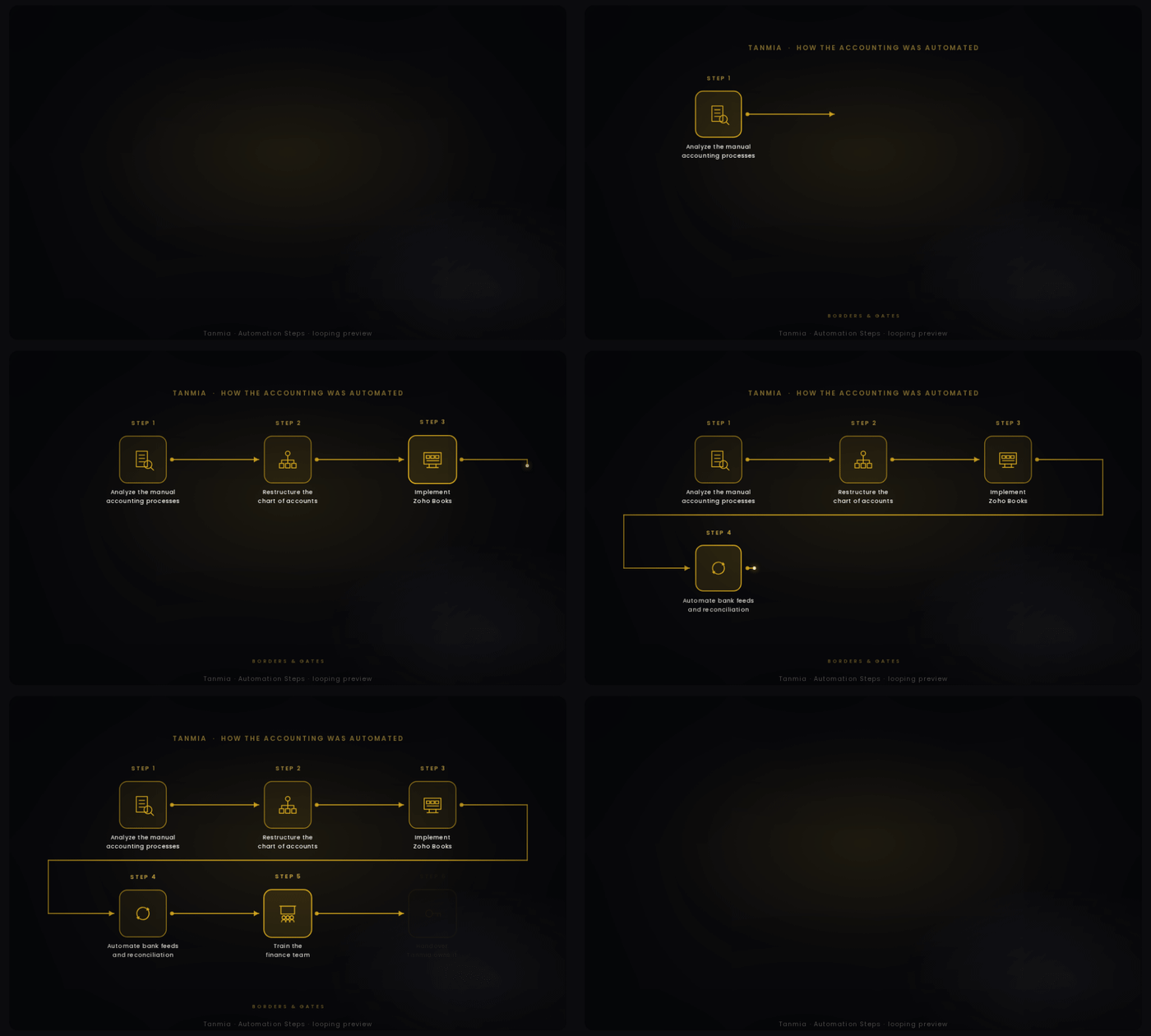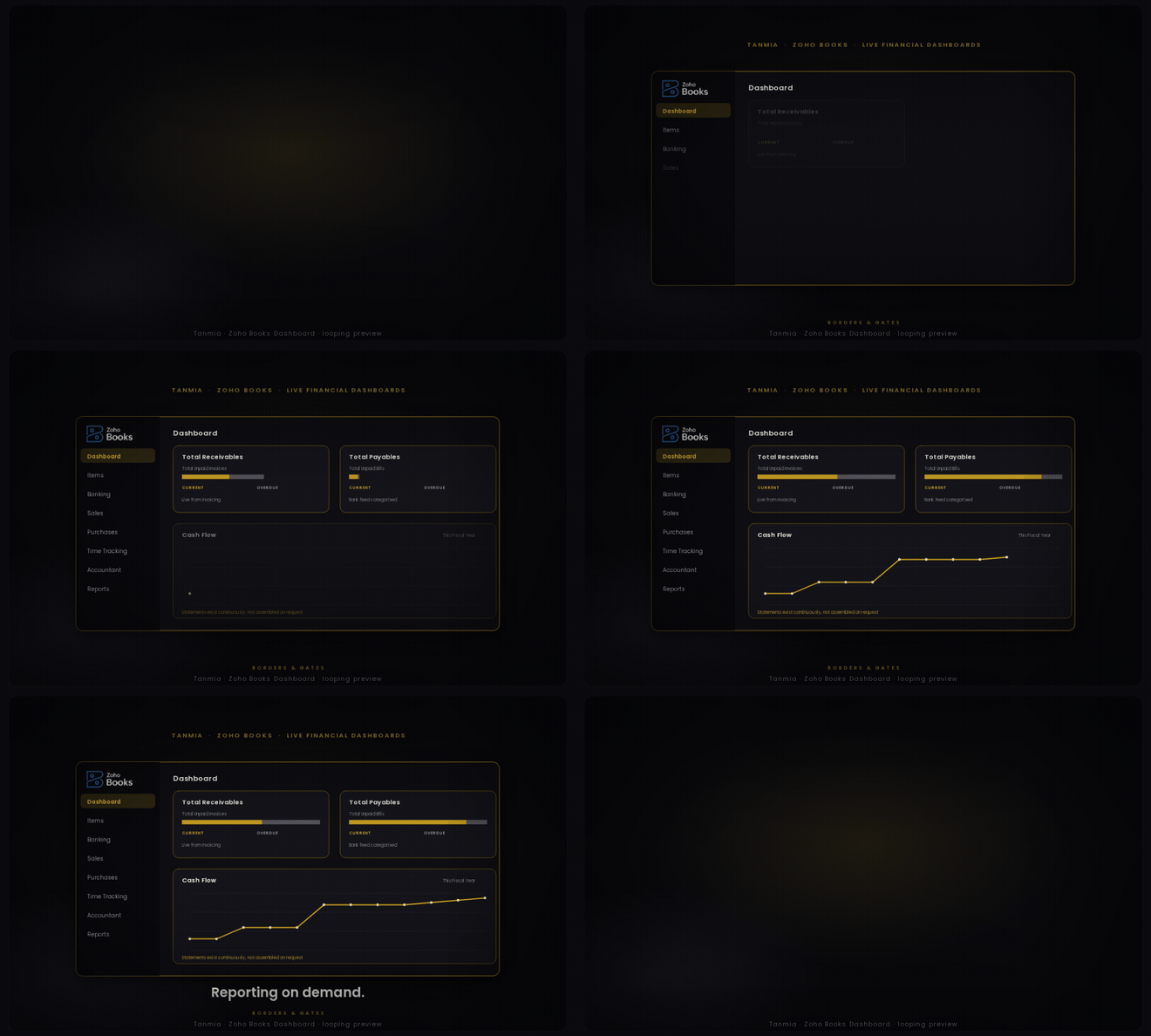
What are the signs a business needs to move to Zoho Books?
Every finance step is manual, the same figure is entered in more than one place before it reaches a report, and month-end depends on assembling statements from scratch. When nothing connects, the same data is handled several times and reporting always lags reality - Zoho Books is the fix.
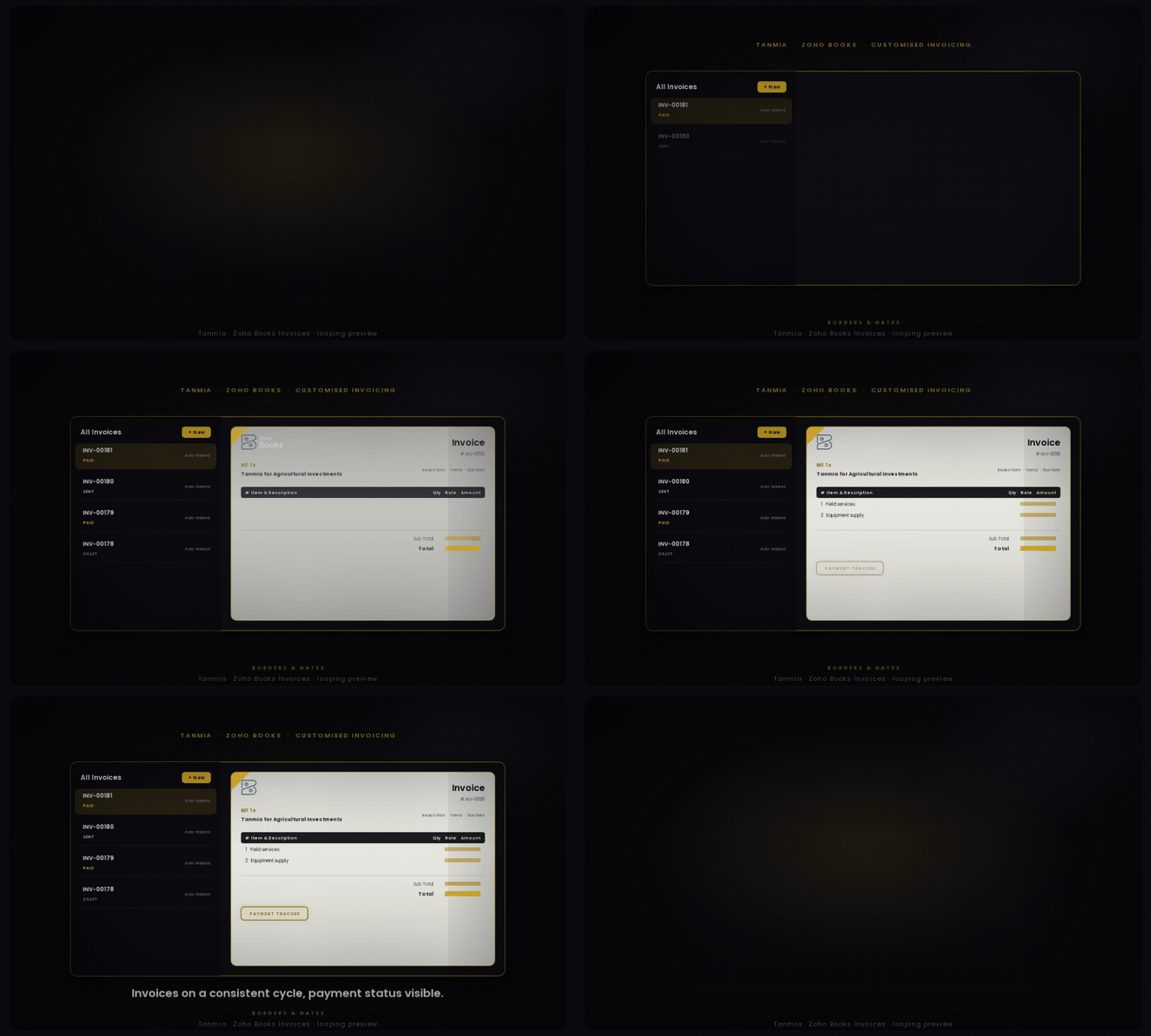
Why is manual bank reconciliation slow without Zoho Books?
Because every transaction has to be matched against statements by hand. It is slow in the ordinary case and disproportionately slow when anything does not tie, because each mismatch is chased backwards through source documents. Zoho Books with bank feeds turns reconciliation into exception handling instead.
Why does duplicate entry into a non-Zoho-Books setup create reporting discrepancies?
Because the same figure is re-keyed at each stage, and small differences appear at every re-entry. None are dramatic on their own, but each has to be traced back to its origin, and the verification work displaces the analysis that should be happening. A Zoho Books implementation removes the re-entry that causes it.
Why is retrospective reporting a barrier to leadership decision-making?
Because leadership is deciding against a picture the business has already moved past. Without Zoho Books, statements are assembled at period end rather than existing continuously, so the numbers on the table are always weeks behind the operation they describe.
Does Borders & Gates configure Zoho Books around how the business actually reports?
Yes. Borders & Gates configures the Zoho Books chart of accounts around how the business actually reports rather than around a generic default, because automation built on the wrong structure only produces wrong numbers faster. The structure is set before anything is automated on top of it.